







Small Roof Problems Have a Better Chance of Staying Small with Timely Los Angeles Roofing Repairs
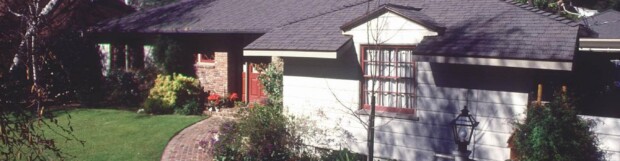
Worn flashing and cracked shingles spread once rain gets behind them. Los Angeles roofing repairs handled at the first sign keep the work small and the rest of the roof intact.
Key Takeaways
- Booking Los Angeles roofing repairs early stops one bad patch from pulling in the rest of the slope.
- Curled or split shingles show up well ahead of any ceiling stain.
- Grit collecting in the gutter is a sign the shingle coating has worn thin.
- Chimney flashing gives out years before the shingles sitting beside it do.
- Checks in spring and fall find most faults while they remain cheap to repair.
Nobody notices a roof problem on day one. A shingle lifts at the corner, a seam opens slightly, and from the driveway the whole thing looks fine. The ceiling stain arrives much later. Arranging Los Angeles roofing repairs while the fault stays in one small area keeps the job from growing into something larger.
Plenty of roof faults are visible to anyone willing to climb up and look. Booking Los Angeles roofing repairs at that stage means pulling a dozen shingles instead of cutting into the deck below. The invoice difference is obvious enough, and the roof keeps running for years afterward without further attention.
Shingles That Show Their Age before the Ceiling Does
- Curled Edges and Split Tabs Worth Checking: Years of heat pull the oils out of an asphalt shingle and leave it brittle. Corners lift first, usually on the sunniest slope. Wind gets under that raised edge and starts working on the tabs beside it. After a windy week, most owners find shingle debris scattered across the lawn without realizing where it came from.
- Grit in the Downspout and What It Means: Dark grains sitting at the bottom of a gutter came off the shingle surface above. Any roof past its tenth year sheds some, which is normal enough. Piles building up after every storm point to a coating wearing thin, and bare patches let the underlayment take direct sun it was never made for.
Where Water Finds a Way past Flashing and Seams
- Chimney Metal That Fails ahead of Schedule: Nothing on a roof takes a rougher beating than the flashing. The metal swells through a hot afternoon, pulls back once the temperature drops, and the sealant along that joint gives up somewhere in the middle of it. Water slips in without a sound, soaking framing for a season before anyone notices.
- Lifted Seams on Low Slope Roofs: A flat section stays dry only as long as its seams hold across the whole surface. Heat chips away at that bond day after day. One lifted edge starts holding water, the weight adds up, and the material underneath breaks down faster. Building owners checking seams each spring avoid repairs that swallow a maintenance budget.
- Shingles curling at the corner let wind get underneath the row sitting above them.
- Dark streaking below a chimney points to flashing that has pulled loose from the joint.
- Grit collecting in the gutter trough after heavy rain deserves a proper look from a ladder.
- A soft spot underfoot means moisture has already reached the decking boards.
- Nail heads backing out will keep working loose with each hot afternoon.
Inspections That Catch Faults while They Are Cheap
- Two Rooftop Visits Each Year: Spring and fall happen to bracket the weather that causes the most damage in this region. Someone walking the surface picks out a cracked pipe boot or a raised seam inside of ten minutes, well before any of it reaches the attic. Notes from each visit build a record worth holding onto.
- Acting on What the Report Flags: A report sitting in a drawer fixes nothing at all. Arranging Los Angeles roofing repairs within a few weeks of the finding holds the work to one section rather than the whole slope. The crew pulls the damaged shingles, reseals around the vent, and everything else on the roof stays as it was.
Upkeep That Stretches an Existing Roof Further
- Routine Work That Delays a Replacement: Clearing debris from the valleys, resealing penetrations, tightening loose fasteners. None of it sounds impressive next to a full replacement, which is rather the point. Minor upkeep on a regular schedule pushes the expensive year further out, and owners who treat a roof like any other building system get more from it.
- Paper Trails That Protect a Warranty: A repair holds more value when somebody records what came off and what went back on. That file answers insurance questions later and gives a buyer something concrete to review. Manufacturer coverage on the original material can hinge on proof the upkeep actually took place, so the documentation earns its keep.
Buying the Roof Overhead a Few More Good Years
Attention paid in small doses keeps a homeowner well clear of the rushed decision that follows a failed roof. Damage handled in its first season stays a repair, and the cost gap between that and a replacement is not close. Anyone spotting curled tabs or grit in the gutters should call for an inspection ahead of the rain.
Posted in: General
Leave a Comment (0) ↓

