







Roof Repair Los Angeles Supports Better Home Protection in a City Where Roofs Face Year-Round Exposure
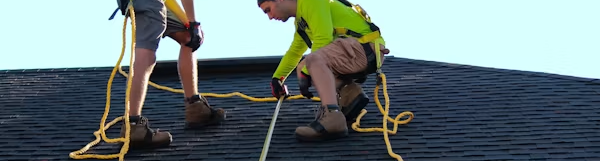
The Sun wears down L. A. roofs long before any rain arrives. Homeowners who book roof repair Los Angeles professionals handle each fall will spend less over the years. Their roofs also outlast the ones next door that never get checked for damages.
Key Takeaways
- The sun causes most roof damage in LA. Rain just makes it more complicated.
- Skipping a $400 fix in October might turn into $9,000 of water damage by spring for plenty of owners.
- Fall is when roof repair Los Angeles crews find what summer heat broke.
- Grit in the gutters means shingles are shedding. Check the roof, not the downspouts.
- A folder of inspection records speeds up insurance payouts after storms.
Nobody in Los Angeles thinks about their roof in July. Why would they, with three dry months ahead. That heat is when the real damage happens, though. Skilled roof repair Los Angeles contractors provide in the fall catches summer’s damage early, back when a hairline crack still costs almost nothing to seal.
There is a reason experienced homeowners treat roof repair Los Angeles services as routine upkeep instead of emergency spending. Water moves fast once it finds a way in. It runs along a rafter, comes out through drywall two rooms away from the actual hole, and nobody figures out where it started until the ceiling already needs replacing.
Sunshine Is the Slowest Leak in the City
- Heat Breaks Roofs Before Rain Does: Around 280 sunny days a year sounds great until someone owns shingles. Asphalt dries out under all that UV. The granules, that rough protective coating, start shaking loose and ending up in the gutters where they don’t belong. From the street everything looks fine. The mat underneath is another story. Brittle now. And brittle splits.
- Thermal Swing Pulls Seams Apart: August afternoons push a Sherman Oaks roof deck past 150 degrees. Overnight it loses 60 of those. Metal flashing expands and shrinks with every cycle. Give that a few years and the sealant around a chimney lets go, quietly, in a spot nobody checks until a storm makes it obvious.
- Debris Does the Rest: Palm fronds. Eucalyptus litter. Grit off the freeway. All of it settles into valleys and around vents, holds moisture against the surface, and blocks the path water needs to reach the gutters. Blocked drainage sends the next storm sideways, under the shingles, which is the one direction roofs were never built to handle.
The Math on Waiting Never Works Out
- Cheap Fix Now or Expensive One Later: One cracked shingle, a few hundred dollars with labor. That same crack after a wet winter is rotted decking with mold starting in the attic above the wet insulation. Same original flaw. The invoice grew tenfold while nobody looked at it. Homeowners who book repairs before December never learn that lesson the hard way.
- Read the Roof from the Driveway: No ladder required for most early warnings. After a storm passes, ten minutes walking the property with eyes up tells a homeowner plenty. Adjusters look for the same handful of signs during claims, so knowing them pays off twice over. What matters:
- Gutter grit. Loose granules mean shingles are shedding their armor.
- Shingle edges curling upward, visible from the yard on a clear day.
- A faint ceiling stain that dried and faded. It will come back.
- Daylight through the attic boards.
- Lifted flashing at the chimney or around vents.
- Cooling bills creeping up, since a compromised roof leaks conditioned air along with everything else.
What the Pros See That Homeowners Miss
- Trained Eyes Catch the Quiet Failures: Fastener pull-through. Worn valleys. Sealant that looks intact but crumbles under a thumb. None of that shows from the ground, and most of it stays invisible until water proves it existed. An annual inspection costs less than a single drywall patch and comes with a written report worth keeping.
- Paper Beats Memory When Claims Get Filed: Insurers sort storm claims into two piles, sudden damage and long-term neglect, and the neglect pile gets denied. Dated inspection reports settle that argument before it starts. Owners with maintenance records get paid. Owners without them spend months arguing about what the roof looked like last spring while the insurer holds all the leverage.
- Maintenance Buys a Decade: An asphalt roof that gets looked at every year can push 25 years in this climate. The neglected version starts failing around 15. Ten extra years before a full replacement bill lands. Few things a property owner spends money on in return that much for that little.
Put the Roof on the Calendar Before the Rain Does
Heat all summer, storms all winter, debris the whole year through. Roofs that survive it belong to owners who moved before the leak forced them to. Book an inspection this season. Handle the small repairs now, while they still count as small, and December’s first storm will pass over without leaving a mark.
Posted in: General
Leave a Comment (0) ↓

